About Dr. Ashish Kale
Dr. Ashish Rasik Kale is a renowned General Surgeon in Gurgaon and currently practices at W Pratiksha Hospital, Gurgaon. For the past 13 years, Dr. Ashish Rasik Kale has worked as a Top Surgeons and gained proficient skills and knowledge in the segments.
Overview
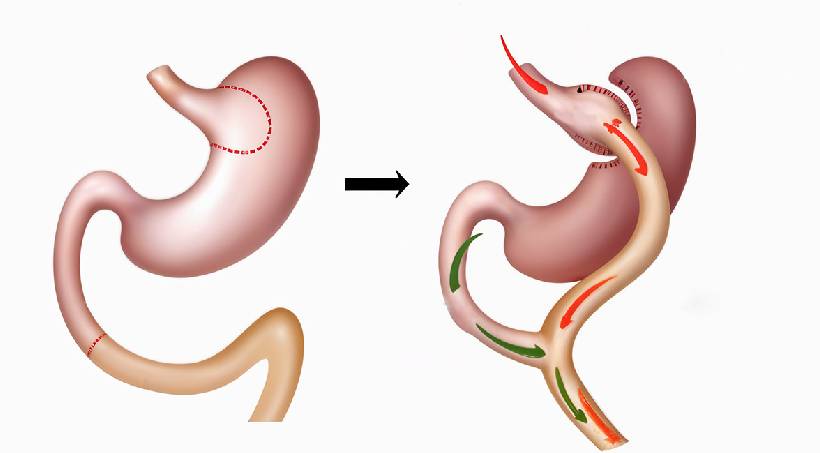
The Roux-en-Y Gastric Bypass is considered the gold standard in bariatric surgery. It involves creating a small stomach pouch (about the size of an egg) and connecting it directly to a section of the small intestine (jejunum), bypassing most of the stomach, the duodenum, and a portion of the small intestine.
Mechanism of Action
Restrictive: Small stomach pouch limits food intake.
Malabsorptive: Bypassing a segment of the intestine reduces calorie and nutrient absorption.
Hormonal Effects: Improves insulin sensitivity; early remission of type 2 diabetes is common.
Benefits
High success rate in weight loss (60–80% excess weight loss).
Excellent results in controlling type 2 diabetes, even in patients with lower BMI.
Improvement or resolution of obesity-related conditions: sleep apnea, GERD, hypertension.
Risks/Complications
Higher surgical complexity.
Risk of dumping syndrome (nausea, diarrhea, weakness after eating sugar).
Higher risk of vitamin/mineral deficiencies (e.g., B12, iron, calcium, vitamin D).
Risk of internal hernias, ulcers, or bowel obstructions.
Ideal Candidates
Patients with severe obesity (BMI ≥ 40).
Patients with significant comorbidities, especially type 2 diabetes.
Those who failed previous restrictive surgeries (e.g., gastric band, sleeve).