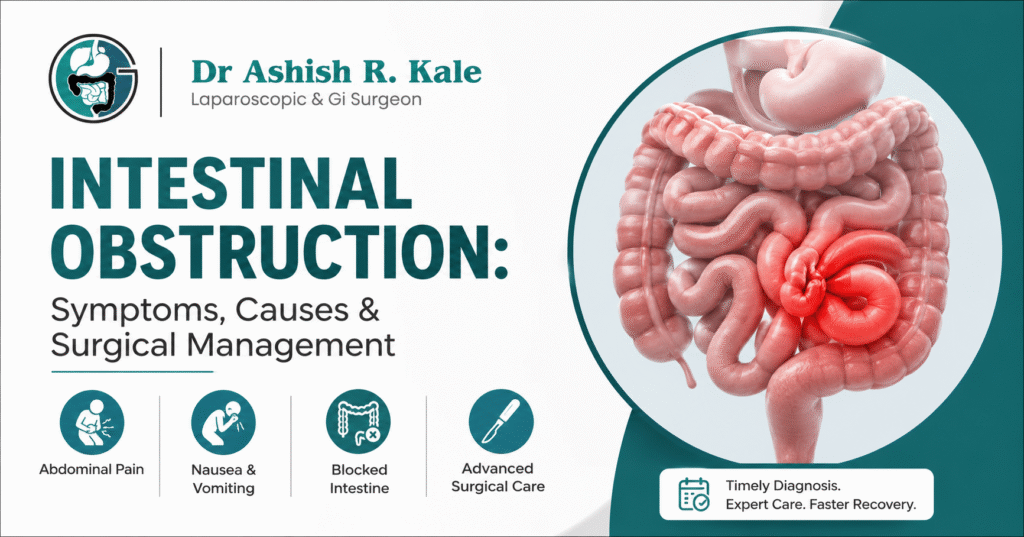
ntestinal obstruction is a serious medical condition that occurs when the normal movement of food, fluids, and gas through the intestines is partially or completely blocked. Without timely diagnosis and treatment, it can lead to severe complications, including infection, tissue damage, and life-threatening conditions.
Understanding the symptoms, causes, and treatment options for intestinal obstruction can help patients seek prompt medical attention and improve outcomes. If you are experiencing persistent abdominal symptoms, consulting the Best Laparoscopic Surgeon in Pune can ensure accurate diagnosis and advanced treatment.
What Is Intestinal Obstruction?
An intestinal obstruction occurs when there is a blockage in either the small intestine or large intestine, preventing the normal passage of digestive contents. The blockage may be mechanical (physical blockage) or functional (impaired intestinal movement).
The condition can affect people of all ages and often requires urgent medical evaluation.
Common Symptoms of Intestinal Obstruction
The symptoms of intestinal obstruction may vary depending on the severity and location of the blockage.
Common signs include:
- Severe abdominal pain or cramping
- Abdominal swelling or bloating
- Nausea and vomiting
- Constipation or inability to pass stool
- Inability to pass gas
- Loss of appetite
- Abdominal tenderness
- Dehydration
If these symptoms persist or worsen, immediate medical attention is essential.
Causes of Intestinal Obstruction
Several conditions can lead to intestinal blockage, including:
1. Hernias
A hernia occurs when part of the intestine protrudes through a weakened area of the abdominal wall. This is one of the common causes of intestinal obstruction and may require surgical correction.
2. Abdominal Adhesions
Scar tissue formed after previous abdominal surgeries can cause the intestines to stick together, creating a blockage.
3. Tumors
Both benign and malignant growths within the intestine can obstruct the passage of intestinal contents.
4. Intestinal Twisting (Volvulus)
A twisted intestine can block blood supply and cause a complete obstruction, requiring emergency treatment.
5. Inflammatory Bowel Diseases
Conditions such as Crohn’s disease may lead to narrowing of the intestines and increase the risk of blockage.
6. Intussusception
More common in children, this condition occurs when one part of the intestine slides into another section, causing obstruction.
Potential Complications
If left untreated, intestinal obstruction can result in:
- Bowel perforation
- Severe infection
- Tissue death (gangrene)
- Sepsis
- Life-threatening complications
Early diagnosis significantly reduces these risks and improves treatment success.
How Is Intestinal Obstruction Diagnosed?
A surgeon may recommend several diagnostic tests, including:
Physical Examination
Evaluation of abdominal swelling, tenderness, and bowel sounds.
Imaging Studies
- X-rays
- Ultrasound
- CT Scan
- MRI (in selected cases)
These investigations help determine the location and severity of the blockage.
Blood Tests
Blood tests may help identify infection, dehydration, and other complications.
Treatment Options for Intestinal Obstruction
Treatment depends on the underlying cause and severity of the obstruction.
Non-Surgical Management
In some mild cases, treatment may include:
- Intravenous fluids
- Nasogastric tube decompression
- Electrolyte correction
- Close observation
However, many patients require surgical intervention.
Surgical Management of Intestinal Obstruction
When conservative treatment is unsuccessful or complications develop, surgery becomes necessary.
Surgical goals include:
- Removing the blockage
- Repairing damaged intestine
- Treating the underlying cause
- Restoring normal bowel function
Advantages of Laparoscopic Surgery
Modern laparoscopic surgery has revolutionized the treatment of many gastrointestinal conditions, including intestinal obstruction.
Benefits include:
- Smaller incisions
- Less postoperative pain
- Reduced blood loss
- Faster recovery
- Shorter hospital stay
- Minimal scarring
- Lower risk of complications
This minimally invasive approach allows patients to return to their normal activities sooner.
Expert Surgical Care by Dr. Ashish Rasik Kale
When it comes to advanced gastrointestinal and minimally invasive surgery, Dr. Ashish Rasik Kale is widely regarded as the Best Laparoscopic Surgeon in Pune.
With more than 13 years of experience in GI and laparoscopic surgery, Dr. Kale has developed extensive expertise in managing complex abdominal and intestinal conditions. He is associated with renowned institutions including KEM Hospital, Sahyadri Group of Hospitals, and Jehangir Hospital.
His impressive qualifications include:
- M.B.B.S.
- D.N.B. (General Surgery)
- F.N.B. (Minimal Access Surgery)
Dr. Kale is known for his precision, advanced laparoscopic techniques, patient-centered care, and commitment to achieving excellent surgical outcomes. His expertise helps patients benefit from safer procedures, quicker recovery, and improved quality of life.
Tips to Reduce the Risk of Intestinal Problems
While not all causes can be prevented, the following measures may help maintain digestive health:
- Eat a balanced, fiber-rich diet
- Stay hydrated
- Exercise regularly
- Avoid delaying treatment for hernias
- Follow medical advice for inflammatory bowel diseases
- Attend regular health checkups
- Seek prompt evaluation for persistent abdominal symptoms
Conclusion
Intestinal obstruction is a potentially serious condition that requires timely diagnosis and appropriate treatment. Symptoms such as severe abdominal pain, vomiting, bloating, and inability to pass stool should never be ignored.
Advancements in minimally invasive surgery have made treatment safer and more effective than ever before. If you are experiencing symptoms or have concerns about digestive health, consulting the Best Laparoscopic Surgeon in Pune, Dr. Ashish Rasik Kale, can help ensure accurate diagnosis, expert treatment, and a faster path to recovery.