About Dr. Ashish Kale
Dr. Ashish Rasik Kale is a renowned General Surgeon in Gurgaon and currently practices at W Pratiksha Hospital, Gurgaon. For the past 13 years, Dr. Ashish Rasik Kale has worked as a Top Surgeons and gained proficient skills and knowledge in the segments.
What is Acid Reflux?
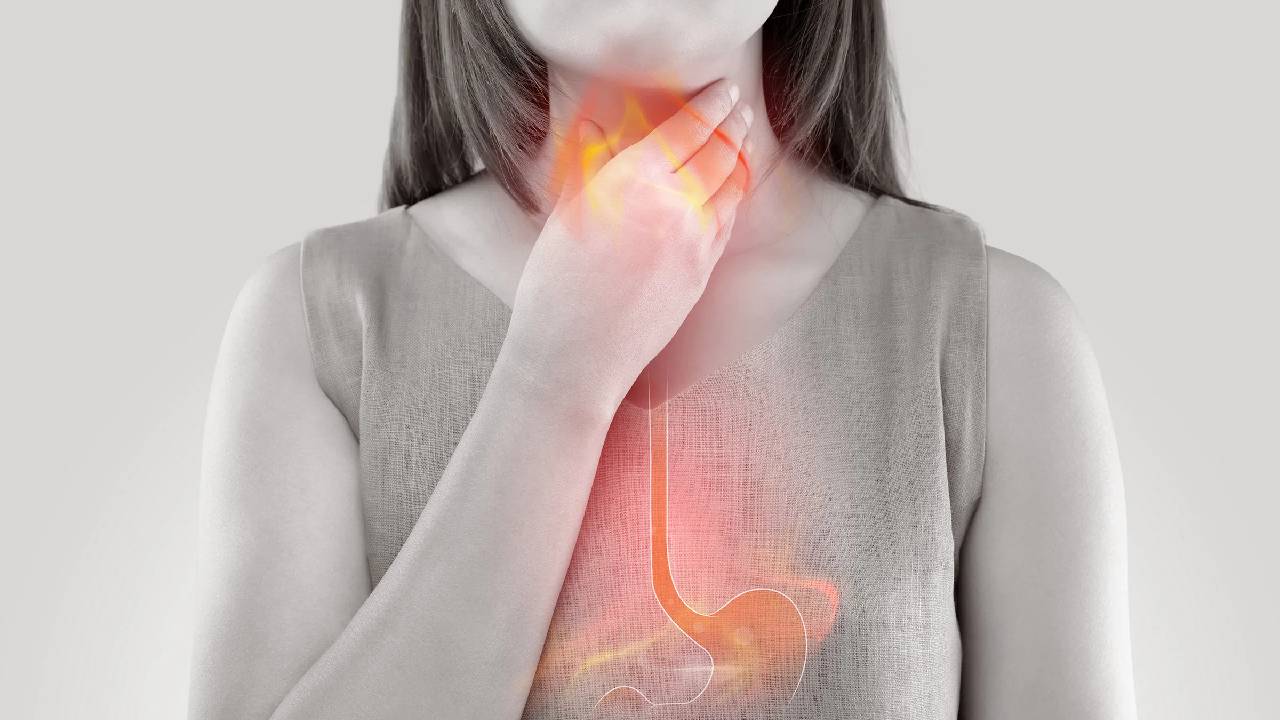
Acid reflux occurs when stomach acid flows back up into the esophagus — the tube connecting your mouth and stomach. This backflow is known as reflux. It can cause a burning sensation in the chest, commonly called heartburn.
When acid reflux happens more than twice a week or causes inflammation or damage to the esophagus, it may be diagnosed as GERD (Gastroesophageal Reflux Disease).
Causes of Acid Reflux:
Weak Lower Esophageal Sphincter (LES):
LES is a ring of muscle that acts like a valve between the stomach and esophagus.
If the LES relaxes at the wrong time or doesn’t close properly, stomach acid can flow back up.
Hiatal Hernia:
A condition where the upper part of the stomach pushes through the diaphragm.
Often contributes to reflux.
Delayed stomach emptying (gastroparesis)
Obesity:
Increases pressure on the abdomen.
Pregnancy:
Hormonal changes and abdominal pressure contribute to reflux.
Dietary and Lifestyle Factors:
Eating large meals
Lying down after eating
Smoking
Alcohol
Certain foods (see below)
Common Trigger Foods and Drinks:
Spicy foods
Fatty or fried foods
Chocolate
Citrus fruits (e.g., oranges, lemons)
Tomatoes and tomato-based products
Garlic and onions
Caffeinated drinks (coffee, tea)
Carbonated beverages
Alcohol
Peppermint
Symptoms of Acid Reflux / GERD:
Heartburn – burning pain in the chest, especially after eating or lying down
Regurgitation – sour or bitter-tasting acid backing up into your throat or mouth
Difficulty swallowing (dysphagia)
Chest pain – can mimic heart problems
Chronic cough or sore throat
Hoarseness or voice changes
Sensation of a lump in the throat
Bloating, nausea
Diagnosis:
Medical History & Symptom Review
Endoscopy (EGD) – to view and biopsy the esophagus
24-hour pH monitoring – measures acid levels in the esophagus
Esophageal manometry – checks muscle function of the esophagus
Barium swallow X-ray
Treatment Options:
Lifestyle & Dietary Changes (First Line of Defense)
Eat smaller, more frequent meals
Avoid trigger foods
Don’t lie down for 2–3 hours after eating
Elevate the head of your bed by 6–8 inches
Lose weight if overweight
Quit smoking
Avoid tight clothing around the abdomen
Medications:
Antacids (short-term relief)
E.g., Tums, Rolaids, Maalox
H2 Blockers
Reduce acid production
E.g., Ranitidine (withdrawn in many countries), Famotidine (Pepcid)
Proton Pump Inhibitors (PPIs) – Most effective
Strongly reduce stomach acid
E.g., Omeprazole (Prilosec), Esomeprazole (Nexium), Pantoprazole (Protonix)
Long-term use should be monitored by a doctor
Prokinetics – Help empty the stomach faster
E.g., Metoclopramide (Reglan)
Surgical Options (for severe cases):
If medications and lifestyle changes fail:
Fundoplication:
Most common surgery.
The top of the stomach is wrapped around the LES to strengthen it.
Can be done laparoscopically.
LINX device:
A ring of magnetic beads is placed around the LES to reinforce it.
Complications If Untreated:
Esophagitis – inflammation of the esophagus
Esophageal stricture – narrowing of the esophagus due to scarring
Barrett’s esophagus – changes in esophageal lining, a precancerous condition
Esophageal cancer (rare, but a serious risk with chronic GERD)
Chronic cough, asthma, or dental erosion
Natural Remedies (Supportive, Not Primary Treatment):
Aloe vera juice (low-acid, natural anti-inflammatory)
Chewing gum (stimulates saliva to neutralize acid)
Licorice root (DGL) – may soothe esophageal lining
Ginger tea – may help with digestion and inflammation