Appendicitis is a common yet potentially serious medical condition that requires prompt diagnosis and timely treatment. While it may begin with mild discomfort, untreated appendicitis can quickly progress to a life-threatening emergency. Understanding the early warning signs and knowing when surgery is necessary can help prevent complications and ensure a faster recovery.
Under the care of the Best Laparoscopic Surgeon in Pune, Dr. Ashish Rasik Kale, patients benefit from accurate diagnosis, minimally invasive surgical techniques, and compassionate, patient-centered care.
What Is Appendicitis?
Appendicitis is the inflammation of the appendix, a small, tube-shaped organ attached to the large intestine. This inflammation usually occurs due to blockage caused by stool, infection, or swelling of lymph tissue. If left untreated, the appendix can rupture, leading to severe infection within the abdomen.
Appendicitis can affect people of all ages, but it is most common between the ages of 10 and 40.
Early Warning Signs of Appendicitis
Recognizing the early symptoms of appendicitis is crucial for timely intervention. Common warning signs include:
1. Abdominal Pain
Pain often begins near the navel and gradually shifts to the lower right side of the abdomen. The pain typically becomes sharper and more intense over time.
2. Loss of Appetite
A sudden loss of appetite is one of the earliest and most overlooked symptoms of appendicitis.
3. Nausea and Vomiting
Many patients experience nausea or vomiting shortly after abdominal pain begins.
4. Fever
A low-grade fever may develop as the body responds to inflammation or infection.
5. Abdominal Swelling or Tenderness
The abdomen may feel bloated or become extremely sensitive to touch, especially on the right side.
6. Digestive Changes
Constipation, diarrhea, or difficulty passing gas may also occur in some cases.
⚠️ These symptoms can worsen rapidly. Any persistent abdominal pain should never be ignored.
When Does Appendicitis Become an Emergency?
Appendicitis becomes an emergency when the inflamed appendix risks rupturing. A ruptured appendix can spread infection throughout the abdomen (peritonitis), which is a life-threatening condition.
Warning signs that require immediate medical attention include:
-
Sudden relief of pain followed by severe worsening
-
High fever
-
Severe abdominal rigidity
-
Rapid heartbeat
-
Extreme weakness or dizziness
When Is Surgery Needed for Appendicitis?
Surgical removal of the appendix (appendectomy) is the standard and most effective treatment for appendicitis.
Surgery is required when:
-
Appendicitis is confirmed through imaging and clinical examination
-
Symptoms are worsening or persistent
-
There is a risk of appendix rupture
-
An abscess or infection has formed
In some very mild cases, antibiotics may be tried initially, but surgery remains the definitive and safest solution in most patients.
Advantages of Laparoscopic Appendectomy
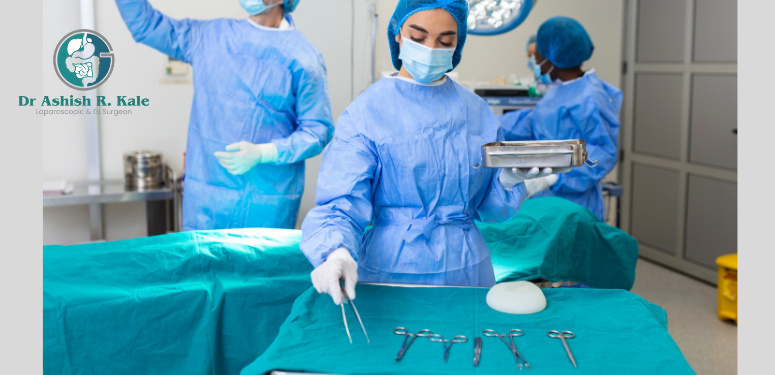
A laparoscopic appendectomy is a minimally invasive surgical procedure performed through small incisions using a camera and specialized instruments. When performed by the Best Laparoscopic Surgeon in Pune, it offers several benefits:
-
Less post-operative pain
-
Faster recovery and shorter hospital stay
-
Minimal scarring
-
Lower risk of infection
-
Early return to normal activities
This approach has become the preferred method for appendicitis surgery worldwide.
Expert Appendicitis Treatment by Dr. Ashish Rasik Kale
Dr. Ashish Rasik Kale is widely recognized as the Best Laparoscopic Surgeon in Pune, known for excellence in gastrointestinal and advanced laparoscopic surgery. With over 13 years of experience in GI Surgery, he has successfully treated numerous emergency and complex abdominal conditions using minimally invasive techniques.
Professional Highlights:
-
MBBS (2011)
-
DNB in General Surgery (2015)
-
FNB in Minimal Access Surgery (2017)
-
Associated with leading hospitals such as KEM Hospital, Sahyadri Group of Hospitals, and Jehangir Hospital, Pune
Dr. Kale’s precision, advanced surgical training, and compassionate approach ensure:
-
High surgical success rates
-
Enhanced patient safety
-
Faster healing with minimal discomfort
His commitment to adopting modern laparoscopic techniques makes him one of the most trusted GI and laparoscopic surgeons in Pune.
Recovery After Appendicitis Surgery
Most patients recover quickly after laparoscopic appendectomy:
-
Hospital stay: 1–2 days
-
Return to light activities: Within a week
-
Full recovery: 2–3 weeks
Following post-operative instructions and attending follow-up visits ensures smooth healing and prevents complications.
When Should You Consult a Laparoscopic Surgeon?
You should consult the Best Laparoscopic Surgeon in Pune immediately if you experience:
-
Persistent or worsening abdominal pain
-
Pain localized to the lower right abdomen
-
Fever with abdominal discomfort
-
Nausea and vomiting along with pain
Early consultation can prevent appendix rupture and avoid serious complications.
Conclusion
Appendicitis may start silently, but it can escalate rapidly if ignored. Recognizing early warning signs and seeking timely surgical care is essential for a safe outcome. With advanced laparoscopic techniques and expert hands, appendicitis surgery today is safe, effective, and offers quick recovery.
For reliable, advanced, and compassionate care, Dr. Ashish Rasik Kale stands out as the Best Laparoscopic Surgeon in Pune, delivering excellent outcomes and restoring patients to health with confidence.
Don’t delay—early treatment saves lives.