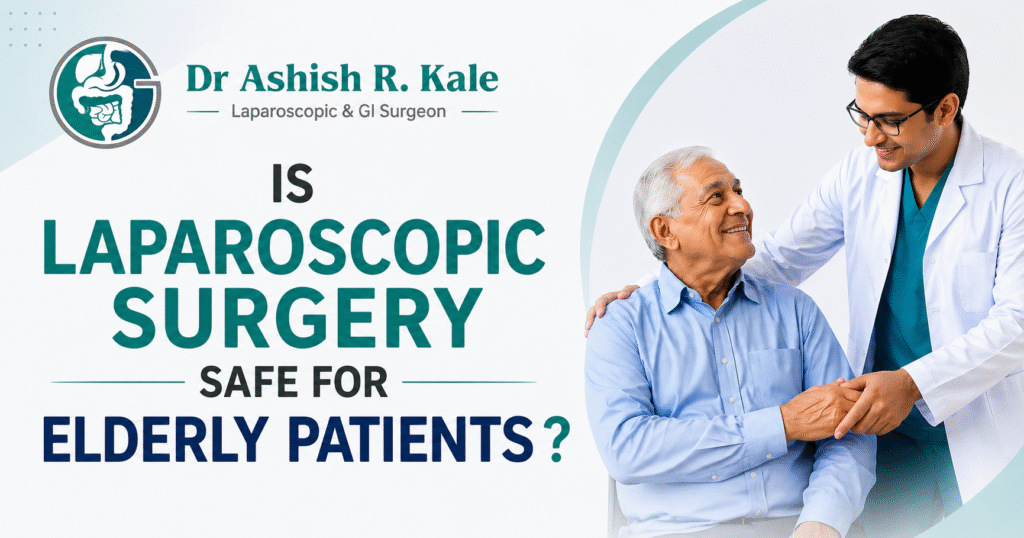
When it comes to surgery in older adults, one question comes up again and again—is it safe? As people age, their bodies become more sensitive to medical procedures, and recovery can take longer. Naturally, families and patients worry about risks, complications, and outcomes. The good news is that laparoscopic surgery, also known as minimally invasive surgery, has changed the way surgeries are performed—especially for elderly patients.
With advanced techniques and experienced surgeons like Dr. Ashish Rasik Kale, widely recognized as the Best Laparoscopic Surgeon in Pune, elderly patients can now undergo surgery with greater safety, faster recovery, and less discomfort.
What is Laparoscopic Surgery?
Laparoscopic surgery is a modern surgical technique where small incisions are made instead of large cuts. A tiny camera (laparoscope) and specialized instruments are used to perform the procedure with high precision.
Think of it like repairing something using a keyhole instead of breaking down the entire door. This approach minimizes damage to surrounding tissues and significantly improves recovery time.
Why Elderly Patients Need Special Consideration
As we age, the body undergoes several changes:
- Reduced immunity
- Slower healing process
- Presence of chronic conditions like diabetes, heart disease, or high blood pressure
These factors can increase the risks associated with traditional open surgery. That’s why choosing the right surgical approach becomes extremely important.
Is Laparoscopic Surgery Safe for the Elderly?
The short answer is yes—laparoscopic surgery is generally safe for elderly patients, and in many cases, it is safer than traditional open surgery.
Here’s why:
1. Smaller Incisions, Less Trauma
Since laparoscopic surgery uses tiny cuts, there is minimal damage to tissues. This reduces pain and lowers the risk of complications.
2. Faster Recovery
Elderly patients benefit greatly from shorter recovery times. They can return to normal activities sooner compared to open surgery.
3. Lower Risk of Infection
Smaller wounds mean a reduced chance of infections, which is especially important for older adults with weaker immune systems.
4. Less Blood Loss
Minimally invasive techniques help reduce blood loss during surgery, making it safer for elderly patients.
5. Shorter Hospital Stay
Patients often go home earlier, reducing exposure to hospital-related infections and improving overall comfort.
When is Laparoscopic Surgery Recommended?
Laparoscopic surgery is commonly used for:
- Appendix removal (appendectomy)
- Gallbladder surgery
- Hernia repair
- Gastrointestinal (GI) procedures
However, not every patient is the same. A proper medical evaluation is necessary to determine if this approach is suitable.
Are There Any Risks?
While laparoscopic surgery is generally safe, it’s important to understand that no surgery is completely risk-free. Some potential risks include:
- Reaction to anesthesia
- Bleeding
- Infection (though less common)
- Complications related to existing health conditions
This is why choosing an experienced surgeon is crucial.
Why Experience Matters in Elderly Surgeries
When it comes to operating on elderly patients, expertise makes all the difference. A skilled surgeon knows how to assess risks, choose the right technique, and manage complications effectively.
Dr. Ashish Rasik Kale, a leading Appendix & GI Surgeon in Pune, brings over 13+ years of experience in General and Minimal Access Surgery. Having trained at reputed institutions like KEM Hospital, Sahyadri Group of Hospitals, and Jehangir Hospital, he specializes in performing complex surgeries with precision and care.
His advanced qualifications—including DNB in General Surgery and FNB in Minimal Access Surgery—reflect his deep expertise in laparoscopic procedures. Known for his patient-centric approach, Dr. Kale ensures that elderly patients receive personalized care tailored to their health condition and recovery needs.
How to Prepare Elderly Patients for Surgery
Preparation plays a key role in ensuring safety and success. Here are a few important steps:
- Complete medical evaluation before surgery
- Managing existing conditions like diabetes or hypertension
- Following pre-surgery diet and medication instructions
- Mental and emotional support from family
A well-prepared patient is more likely to have a smooth surgery and faster recovery.
Post-Surgery Care for Elderly Patients
Recovery doesn’t end after the surgery—it’s just as important as the procedure itself.
Key post-operative care includes:
- Proper wound care
- Light physical activity as advised
- Balanced diet for healing
- Regular follow-ups with the doctor
With laparoscopic surgery, recovery is usually quicker and less painful, which is a huge advantage for elderly patients.
Conclusion
So, is laparoscopic surgery safe for elderly patients? In most cases, yes—it is not only safe but often the preferred option due to its minimally invasive nature and faster recovery.
However, the success of the procedure depends on proper evaluation, patient health, and the expertise of the surgeon. Choosing an experienced specialist like Dr. Ashish Rasik Kale ensures that elderly patients receive the safest and most effective treatment possible.
If you or your loved ones are considering surgery, don’t let age be a barrier. With modern techniques and expert care, a safer surgical experience is absolutely achievable.