
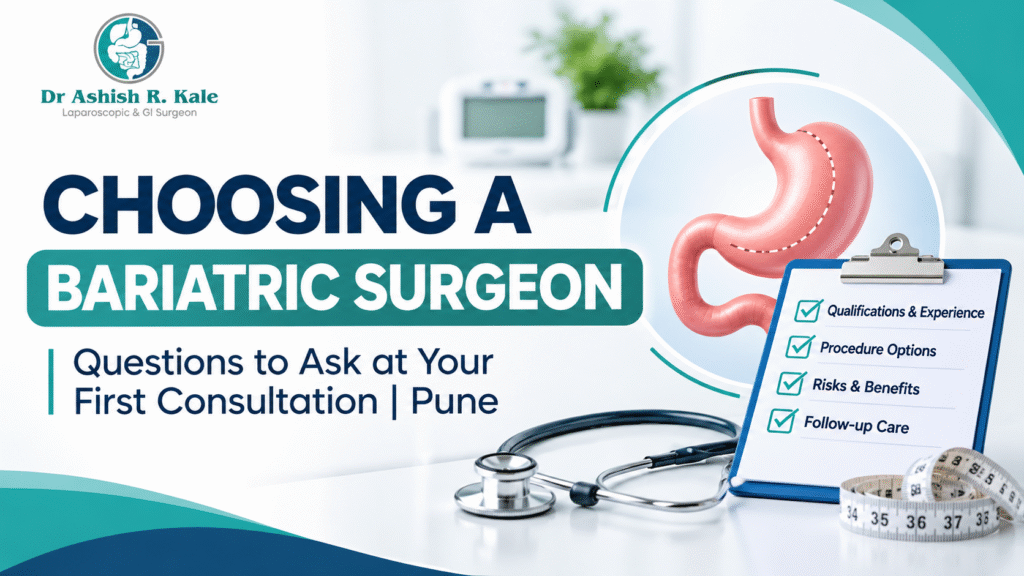
How to Choose a Bariatric Surgeon in Pune: Questions to Ask at Your First Consultation
Choosing a bariatric surgeon is an important step for anyone considering surgical treatment for obesity. The decision involves more than comparing hospitals or searching for the best bariatric surgeon in Pune. Patients should understand the surgeon’s qualifications, the treatment options available, the possible risks, and the follow-up care required after surgery.
Bariatric and metabolic surgery may help selected patients manage obesity and certain related health conditions. However, surgery is not suitable for everyone. The right approach depends on an individual’s health, medical history and treatment goals.
If you are planning a bariatric consultation in Pune, knowing what to ask can help you make a more informed decision.
1. Check the Surgeon’s Qualifications and Relevant Experience
Before choosing a bariatric surgeon, review their medical qualifications, surgical training and experience with bariatric and metabolic procedures.
You can ask about:
- Relevant postgraduate surgical qualifications and specialist training.
- Experience performing the procedure being considered.
- Experience managing patients with obesity-related health conditions.
- The hospital or surgical facility where the procedure would take place.
- The team involved in pre-operative assessment and post-operative care.
It is useful to confirm whether the surgeon regularly performs the proposed procedure and can explain its benefits, limitations and alternatives in language you understand.
Online reviews and recommendations may help you shortlist doctors, but they should not be the only basis for your decision.
You can also visit the Dr. Ashish Rasik Kale official website to learn more about his surgical practice and available services.
2. Understand What Happens During a Bariatric Consultation in Pune
A bariatric consultation is an opportunity to discuss your health, previous weight-management efforts and possible treatment options. The assessment should be individualised rather than based on body weight alone.
Depending on your circumstances, the consultation may include a review of:
- Your weight history and previous weight-management treatments.
- Medical conditions such as type 2 diabetes, high blood pressure or sleep apnoea.
- Current medicines, allergies and previous surgeries.
- Eating patterns, physical activity and daily routines.
- Emotional well-being and factors that may affect long-term treatment.
- Investigations needed to assess your health and surgical fitness.
The surgeon may recommend additional assessments or input from other healthcare professionals before making a treatment recommendation.
The aim is to understand your overall health and determine which treatment options may be appropriate—not to assume that surgery is automatically the next step.
3. Ask Which Bariatric Procedures May Be Suitable for You
Bariatric and metabolic surgery includes different procedures. The choice depends on factors such as your health conditions, previous treatments, medical risks and the expected long-term effects of each option.
Sleeve Gastrectomy
Sleeve gastrectomy involves removing a portion of the stomach to create a smaller, sleeve-shaped stomach. It changes stomach capacity and can affect appetite-related signals.
Gastric Bypass
Gastric bypass procedures change the size of the stomach pouch and the route food takes through part of the digestive system. Different bypass procedures have different benefits, risks and nutritional implications.
Other procedures may be considered in selected circumstances. Not every procedure is suitable for every patient, and the available options depend on the surgeon’s expertise and the facilities provided by the treating centre.
To learn about the procedures available, visit the Primary and Revisional Bariatric Surgery service page.
During your consultation, ask the surgeon to explain:
- Why a particular procedure is being considered.
- What alternatives are available, including non-surgical treatment.
- The potential benefits and limitations of each option.
- Possible short-term and long-term complications.
- How the procedure may affect nutrition, medicines and follow-up care.
A treatment recommendation should be based on clinical assessment and shared decision-making.
4. Discuss the Risks, Benefits and Expected Outcomes
Bariatric surgery can offer meaningful health benefits to appropriately selected patients, but it is a major medical intervention and carries risks.
Potential risks vary by procedure and individual health status. They may include bleeding, infection, blood clots, leaks, anaesthesia-related complications and other surgical problems. Longer-term concerns can include nutritional deficiencies, changes in digestion and the need for additional treatment.
Ask your surgeon to explain the risks relevant to your medical history and the proposed procedure.
You should also discuss realistic expectations for weight change and possible improvements in obesity-related conditions. Results vary between individuals, and surgery does not remove the need for ongoing health management.
Be cautious of claims promising guaranteed weight loss, risk-free surgery or permanent results for every patient.
5. Understand the Importance of Long-Term Follow-Up
Bariatric care does not end when the operation is completed. Follow-up appointments help the healthcare team assess recovery, monitor nutritional health and address problems that may develop over time.
Before deciding on surgery, ask how your care will be organised after the procedure.
Important points include:
- How frequently follow-up appointments are recommended.
- Whether a dietitian or nutrition professional will be involved.
- How vitamin and mineral levels will be monitored.
- Whether supplements or changes to medicines may be required.
- Whom to contact if you experience symptoms or have concerns.
- How the team will support long-term weight management.
Follow-up requirements vary according to the procedure and the patient’s health. A clear plan can help you understand the responsibilities involved before you commit to treatment.
6. Ask About the Hospital, Surgical Team and Practical Arrangements
The setting in which surgery takes place is another important consideration. Ask where the procedure will be performed and what arrangements are available for anaesthesia, monitoring, emergency care and recovery.
You may also want to clarify the expected hospital stay, pre-operative instructions, arrangements for returning home and the support you may need during recovery.
Discuss the estimated costs and what is included in the quoted amount. Depending on the hospital and treatment plan, expenses may include consultations, investigations, the operation, hospital admission, medicines and follow-up visits.
If you have health insurance, confirm coverage, exclusions and pre-authorisation requirements directly with your insurer and hospital.
7. Questions to Ask Before Choosing a Bariatric Surgeon
Take this checklist to your first consultation:
- What qualifications and experience do you have with the proposed procedure?
- Which treatment options are appropriate for my health condition?
- Why do you recommend this procedure over the alternatives?
- What are the main risks in my particular case?
- What tests or specialist assessments will I need before surgery?
- What results can I reasonably expect, and what factors may affect them?
- What dietary changes, supplements and follow-up appointments will be required?
- What support is available if complications or nutritional problems develop?
- Where will the procedure be performed, and what facilities are available?
- What is the estimated total cost, and what does it include?
You do not need to make a decision during the first appointment. Take time to understand the information, review the alternatives and seek another medical opinion if you remain uncertain.
8. When Should You Arrange a Bariatric Consultation?
Consider discussing specialist obesity treatment if excess weight is affecting your health, mobility, daily activities or quality of life, particularly if you also have conditions such as type 2 diabetes, high blood pressure or sleep apnoea.
A specialist can review your medical history, previous treatment and overall health to discuss suitable options. These may include structured lifestyle support, medication where appropriate, bariatric surgery or a combination of approaches.
Eligibility for surgery depends on current clinical guidance and an individual assessment. Body mass index may be one factor, but it should not be the only consideration.
If you want to understand when surgery may be appropriate, read our related guide: When Is Bariatric Surgery the Right Choice for Obesity?.
For additional information about non-surgical obesity management, you can also read Why Diet and Exercise Aren’t Always Enough for Obesity.
Choosing the Right Bariatric Surgeon in Pune
Finding the right bariatric surgeon means looking beyond online rankings. Relevant qualifications, experience with the proposed procedure, clear communication, a balanced explanation of risks and benefits, and a reliable follow-up plan all deserve careful consideration.
If you are exploring bariatric treatment, arrange a consultation with a suitably qualified specialist to discuss your medical history and treatment goals. Use the appointment to understand the available options and make a decision based on your individual needs.
For patients considering bariatric treatment in Pune, the first step is a detailed medical consultation—not a commitment to surgery.
To learn more about Dr. Ashish Kale and the surgical services offered, visit the official homepage or explore the bariatric surgery service page.
Frequently Asked Questions
How do I choose the best bariatric surgeon in Pune?
Check the surgeon’s relevant qualifications, experience with the proposed procedure, hospital facilities, communication and long-term follow-up arrangements. Online ratings alone cannot establish clinical suitability.
What should I bring to a bariatric consultation?
Bring previous medical reports, a list of current medicines, details of existing health conditions and information about treatments you have already tried. Ask the clinic whether any additional records are required.
Is bariatric surgery suitable for everyone with obesity?
No. Suitability depends on an individual clinical assessment, including overall health, obesity-related conditions, previous treatments, potential risks and the ability to follow long-term care recommendations.
Which bariatric procedure is best?
There is no single procedure that is best for everyone. Sleeve gastrectomy, gastric bypass and other options differ in their effects, risks and long-term nutritional requirements. A qualified specialist can discuss which options may be appropriate for you.
Is follow-up necessary after bariatric surgery?
Yes. Long-term follow-up is important for monitoring recovery, nutritional status, weight-related health conditions and potential complications. The schedule depends on the procedure and the patient’s needs.
Can I explore non-surgical options before deciding on surgery?
Yes. Depending on your health and treatment history, a specialist may discuss nutrition support, physical activity, behavioural approaches and appropriate medicines alongside or instead of surgical treatment.
Medical disclaimer: This article is for general educational purposes and does not replace an individual consultation with a qualified healthcare professional. Treatment decisions should be based on your medical history and clinical assessment.