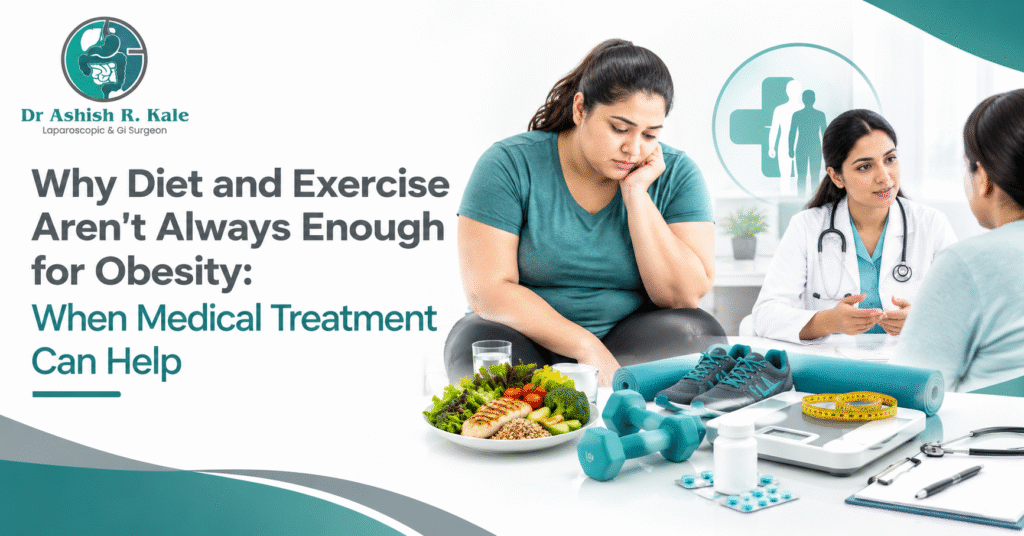
Obesity is more than a matter of eating too much or exercising too little. It is a chronic health condition influenced by genetics, hormones, sleep, stress, medicines, metabolism, and daily habits. Although a healthy diet and regular physical activity are important, some people continue to struggle with weight despite making consistent efforts.
People searching for the best bariatric surgeon in pune may be considering medical support after repeated attempts at weight loss. An Obesity Specialist can assess the reasons behind weight gain, identify related health problems, and recommend a personalised treatment plan.
Medical treatment does not replace healthy habits. Instead, it can support lifestyle changes when diet and exercise alone do not produce enough weight loss or when maintaining weight loss becomes difficult.
Why Diet and Exercise May Not Be Enough
Weight management is influenced by several biological and environmental factors. Two people may follow similar diets and exercise routines but experience different results because their bodies respond differently.
The Body Adapts to Weight Loss
When a person loses weight, the body may begin using fewer calories for daily activities. Hunger may also increase as the body attempts to restore the previous weight. These changes can make long-term weight loss difficult.
This does not mean that a person lacks discipline. It means that the body has natural systems that influence appetite, energy use, and weight maintenance.
Hormones and Appetite Signals Matter
Hormones and brain signals help control hunger, fullness, and food cravings. Some people may feel hungry soon after eating or struggle with frequent cravings despite following a balanced diet.
Conditions such as insulin resistance, polycystic ovary syndrome, and other metabolic problems may also affect weight management. A medical evaluation can help identify whether an underlying condition is contributing to weight gain.
Sleep and Stress Can Affect Weight
Poor sleep may increase hunger, reduce energy, and make healthy food choices more difficult. Long-term stress may contribute to emotional eating, irregular meals, and reduced physical activity.
A complete obesity treatment plan should consider sleep quality, stress, emotional well-being, and eating behaviour along with food and exercise.
Certain Medicines May Cause Weight Gain
Some medicines used for diabetes, depression, seizures, inflammation, and other conditions may contribute to weight gain in certain patients.
Patients should not stop prescribed medicines without medical advice. A doctor can review the medicines being taken and decide whether a different option may be suitable.
When Can Medical Treatment Help?
Medical treatment may be considered when lifestyle changes have not produced enough weight loss or when obesity is affecting a person’s health and daily life.
Prescription weight-management medicines may be considered for selected adults with:
- A BMI of 30 or higher.
- A BMI of 27 or higher along with weight-related conditions such as type 2 diabetes or high blood pressure.
BMI is only one part of the assessment. A doctor may also consider waist circumference, medical history, existing health problems, previous weight-loss attempts, eating patterns, medicines, and personal goals.
Medical support may be helpful when obesity is associated with:
- Type 2 diabetes or prediabetes.
- High blood pressure.
- High cholesterol.
- Sleep apnoea.
- Fatty liver disease.
- Joint pain or osteoarthritis.
- Heart disease.
- Reduced mobility.
- Fertility-related concerns.
- Repeated weight regain after earlier weight-loss efforts.
The purpose of treatment is not only to reduce weight. It is also to improve blood sugar, blood pressure, sleep, mobility, liver health, and overall quality of life.
What Medical Treatments Are Available?
The most suitable treatment depends on the patient’s weight, health conditions, previous treatment response, preferences, and long-term goals.
Prescription Weight-Loss Medicines
Weight-loss medicines work in different ways. Some reduce hunger, increase fullness, slow stomach emptying, or reduce the absorption of dietary fat.
Depending on the patient’s needs, a doctor may consider medicines such as:
- GLP-1 medicines.
- Combined GIP and GLP-1 medicines.
- Medicines that reduce appetite.
- Medicines that affect fat absorption.
- Other approved treatments for selected patients.
Some medicines help people feel full sooner and reduce the amount of food they eat. Others influence blood sugar regulation or the way the body processes dietary fat.
Weight-loss medicines work best when combined with healthy eating, regular activity, and ongoing medical support. They should not be used as a replacement for lifestyle changes.
Benefits and Possible Side Effects
The amount of weight loss varies from person to person and depends on the medicine used. Some patients may also experience improvements in blood sugar, blood pressure, joint discomfort, and sleep-related problems.
Possible side effects may include:
- Nausea.
- Vomiting.
- Constipation.
- Diarrhoea.
- Abdominal discomfort.
- Reduced appetite.
- Headache or tiredness.
Some medicines may have specific restrictions or serious risks. They may not be suitable during pregnancy, while planning pregnancy, or in people with certain medical conditions.
Never purchase weight-loss injections or tablets from unverified sources. Medicines should be prescribed and monitored by a qualified healthcare professional.
Lifestyle Support Still Matters
Medical treatment is most effective when supported by realistic lifestyle changes. Patients do not need to follow extreme diets or exhausting exercise routines. The focus should be on habits that can continue over the long term.
A personalised programme may include:
- Balanced meals with adequate protein and fibre.
- Portion control and regular meal timing.
- Walking, cycling, swimming, or other suitable activities.
- Strength training to support muscle health.
- Better sleep habits.
- Stress management.
- Support for emotional eating.
- Regular weight and health monitoring.
Even moderate weight loss may improve health. The goal should be steady progress rather than rapid weight loss followed by weight regain.
When May Bariatric Surgery Be Considered?
Bariatric surgery, also called metabolic or weight-loss surgery, may be considered for people with significant obesity, especially when obesity-related health problems are present.
Surgery changes the digestive system to help reduce food intake, increase fullness, and influence metabolic signals. Common procedures include sleeve gastrectomy and gastric bypass.
Surgery may be discussed when:
- Obesity is severe.
- Weight-related health conditions are present.
- Lifestyle changes have not produced adequate results.
- Medicines are ineffective, unsuitable, or not tolerated.
- Obesity is seriously affecting mobility or quality of life.
The decision depends on BMI, medical conditions, age, previous treatments, nutritional status, and readiness for long-term follow-up.
What to Expect After Bariatric Surgery
Bariatric surgery is not a quick or automatic solution. Patients usually need:
- Preoperative medical assessment.
- Nutritional counselling.
- Guidance about eating after surgery.
- Regular physical activity.
- Vitamin and mineral supplements when required.
- Monitoring for nutritional deficiencies.
- Long-term medical follow-up.
- Support for emotional and behavioural changes.
Weight regain can occur after surgery, particularly if follow-up care and lifestyle recommendations are not maintained. Long-term support is therefore an important part of treatment.
How an Obesity Specialist Can Help
An Obesity Specialist looks at the complete health picture rather than focusing only on the number on the weighing scale.
During consultation, the doctor may review:
- Weight history and previous weight-loss attempts.
- BMI and waist measurement.
- Blood sugar and cholesterol levels.
- Blood pressure and sleep quality.
- Eating habits and physical activity.
- Current medicines and supplements.
- Hormonal or metabolic conditions.
- Liver, heart, and joint health.
- Emotional eating and stress.
- Suitable lifestyle, medical, or surgical options.
Based on the assessment, the treatment plan may include lifestyle support alone, prescription medicines, bariatric surgery, or a combination of approaches.
Conclusion
Diet and exercise are important foundations of obesity treatment, but they are not always enough. Biological changes, hormones, sleep problems, medicines, stress, and related health conditions may make weight loss difficult to achieve and maintain.
Medical treatment can provide additional support through prescription medicines, structured weight-management programmes, or bariatric surgery for suitable patients. Dr. Ashis Kale offers personalised evaluation and treatment planning for people struggling with obesity and related health concerns. If you are looking for an experienced Obesity Specialist in Pune, professional guidance can help you choose a safe and sustainable treatment approach.
#ObesityTreatment #WeightManagement #ObesitySpecialist #BariatricSurgery #WeightLossJourney #MetabolicHealth #HealthyWeight #DrAshisKale